

How to Tell If Coffee Beans Are Fresh: 7 Simple Tests
Table of Contents
- Why Freshness Matters: What Stale Coffee Beans Lose
- How to Tell If Coffee Beans Are Fresh: 5 Sensory Tests
- Signs Coffee Beans Are Stale: What to Watch For
- Coffee Bean Roast Date: Reading the Label and Understanding Bean Age
- How Long Do Coffee Beans Stay Fresh? A Practical Timeline
- How to Store Coffee Beans to Preserve Freshness
- Whole Beans vs. Pre-Ground: Which Stays Fresh Longer?
- Conclusion
- Frequently Asked Questions
Last Updated: October 18, 2026
Why Freshness Matters: What Stale Coffee Beans Lose
Fresh coffee is not a luxury. It is the difference between a cup that tastes alive and one that tastes like cardboard. At Tidal Bean Coffee, we roast every batch to order, so we think about freshness daily. Here is the short version: coffee beans begin losing aroma and flavor the moment they leave the roaster. Oxygen is the enemy. Once beans are exposed to air, oxidation starts breaking down the oils that carry smell and taste. The result is flat, hollow coffee that no brewing method can rescue. Learning how to tell if coffee beans are fresh saves you money and disappointment. Below, we walk through five sensory tests, the signs of stale beans, and a simple timeline you can actually use.
How to Tell If Coffee Beans Are Fresh: 5 Sensory Tests
You do not need lab equipment to judge freshness. Your nose, eyes, ears, and tongue handle most of the work. The fifth test, the roast date, is the one most people skip. Use all five together for a clear picture.
1. Smell the Beans: Aroma as Your First Clue
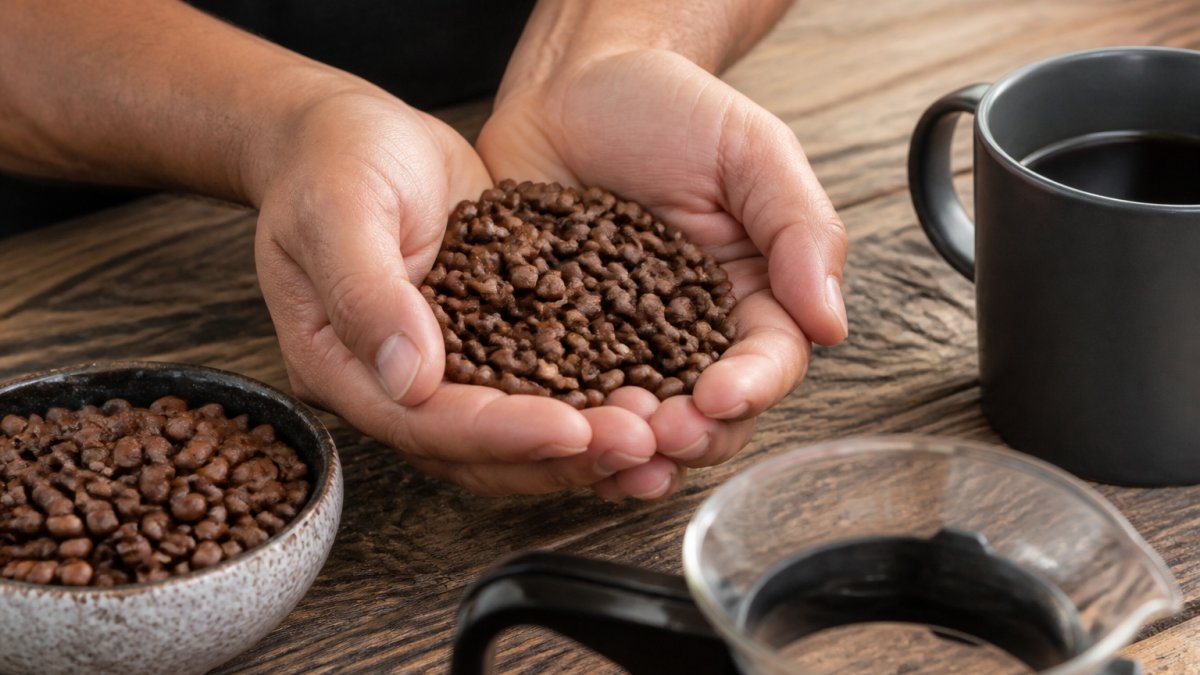
Fresh whole beans hit you with a strong, inviting smell the second you open the bag. You should catch sweet, fruity, chocolatey, or nutty notes depending on the roast. Stale coffee smells faint, dusty, or papery. If you have to bury your nose in the bag to find anything, that is a warning sign. A vibrant aroma is the fastest freshness indicator there is.
2. Look at the Beans: Surface Oils and Color
Surface oils tell a story, but read them carefully. Dark roast beans often show a glossy shine right after roasting, and that is normal. Light roast beans usually stay matte. What you want to watch is dull appearance and oily residue that looks greasy rather than glossy. Uneven color and dry, faded beans point to age.
3. Listen for the Bloom: Foamy Bubbles When Brewing
The bloom is the foamy bubble dome that forms when hot water hits fresh grounds. It happens because trapped carbon dioxide escapes during degassing. Fresh beans bloom loudly and generously. Stale beans barely react. This is one of the easiest at-home freshness tests, and it costs nothing.
4. Taste the Brew: Sweet, Fruity, or Flat?
Your tongue is the final judge. Fresh coffee tastes vibrant and layered, with sweetness and clarity. Stale coffee tastes flat or hollow, sometimes papery. Brew a small cup and pay attention to the finish. If the flavor disappears fast and leaves a dry, empty feeling, the beans are past their prime.
5. Check the Roast Date: The Most Reliable Indicator
The roast date beats every other test. Look for a printed roast date, not a best-by date. Best-by dates say nothing about when the beans were roasted. A bag with a recent roast date is your strongest guarantee of freshness.
Signs Coffee Beans Are Stale: What to Watch For
Stale coffee gives you plenty of warnings if you know where to look. The most common signs of stale coffee beans are:
- A faint smell or a stale, dusty smell when you open the bag
- Dull appearance with no shine and uneven color
- Little to no bloom when hot water hits the grounds
- Flat, hollow, or papery taste in the cup
- Beans that feel dry and lightweight
One weak signal alone does not prove much. Two or three together usually mean the beans are past their prime. The good news? Stale coffee is not unsafe to drink. It just will not taste like much.
Coffee Bean Roast Date: Reading the Label and Understanding Bean Age
The coffee bean roast date is the single most useful number on the package. Bean age counts from the roast date, not the purchase date. A bag roasted last week is younger than one roasted two months ago, even if you bought both today. Many bags show only a best-by date, which tells you nothing useful. Look for "Roasted on" printed clearly. If a brand hides the roast date, ask why. Freshness is not something to guess at.
How Long Do Coffee Beans Stay Fresh? A Practical Timeline
So how long do coffee beans stay fresh? There is no single number, but there is a reliable pattern. Most whole-bean coffee moves through three phases after roasting: a rest phase, a peak window, and a gradual decline. The exact timing depends on roast level, storage, and how you brew, but the shape of the curve is consistent.
Here is a practical freshness timeline you can actually use:
| Time Since Roast | What Is Happening | What to Expect in the Cup | Best Use |
|---|---|---|---|
| 1-3 days | Heavy degassing; carbon dioxide is still escaping rapidly | Bloom is dramatic; flavor can taste sharp or slightly gassy | Rest before brewing, especially for espresso |
| 4-14 days | Degassing slows; aromatics are at their most concentrated | Peak sweetness, clarity, and aroma for most brew methods | Best window for pour-over, drip, and French press |
| 2-4 weeks | Oxidation begins to soften the brightest notes | Still enjoyable, but fruit and floral notes fade first | Daily drinking; good for milk drinks and cold brew |
| 4-8 weeks | Flavor flattens; oils may turn slightly rancid | Hollow, papery, or dull finish | Drink soon or replace |
| 8+ weeks | Significant staling | Flat and lifeless | Replace |
A few practical distinctions matter more than the exact days:
- Espresso needs rest; filter coffee does not. Espresso is sensitive to fresh carbon dioxide, which can make shots run fast and taste sharp. Many espresso brewers prefer beans 7-14 days past roast. Filter methods like pour-over and drip often show best results at 4-10 days.
- Light roasts tend to hold up longer than dark roasts. Dark roasts have more surface oil, which oxidizes faster. A light roast may stay vibrant for several weeks, while a dark roast can taste flat sooner.
- Pre-ground coffee fades much faster than whole beans. Grinding exposes far more surface area to oxygen, so the timeline above compresses to days rather than weeks.
- Peak flavor and basic usability are different questions. A bean can be past its peak and still make a perfectly drinkable cup. Use the timeline to plan, not to panic.
Treat this as a guide, not a rule. Your storage conditions and brewing method will shift the window, but the pattern of rest, peak, and decline holds for almost every roast.
Single Origin Favorites Sample Pack →
How to Store Coffee Beans to Preserve Freshness
Storing coffee beans well is simple, and it matters more than most gear. The goal is to limit exposure to four enemies: oxygen, light, heat, and moisture. Each one accelerates the same decline you taste in stale coffee, so understanding the mechanism helps you make better storage choices.
Oxygen and oxidation. Oxygen is the primary driver of staling. It reacts with the oils in coffee, breaking down the aromatic compounds that carry smell and taste. The result is flat, papery coffee. This is why packaging matters: a bag with a one-way valve lets carbon dioxide escape after roasting without letting oxygen in. If your bag has no valve and no airtight seal, the beans are exposed from the moment you open it.
Light. Light, especially direct sunlight, accelerates oxidation and can degrade the oils on the bean surface. Store beans in an opaque container or a dark cupboard, not in a clear jar on a sunny counter.
Heat. Heat speeds up chemical reactions, including oxidation. A cool, stable temperature is best. Avoid storing beans next to the stove, on top of the fridge, or in a warm pantry corner.
Moisture. Moisture is the enemy of both flavor and food safety. Beans absorb humidity and food odors easily. This is why the fridge is a poor choice for daily-use beans: the repeated opening and closing creates condensation, and the beans pick up whatever is nearby.
Here is how we would store beans in practice:
- Keep whole beans in an airtight, opaque container.
- Store the container in a cool, dark cupboard away from the stove.
- Buy in amounts you will finish within a few weeks.
- Skip the fridge for daily-use beans; if you freeze, use an airtight container and let beans come to room temperature before grinding.
- Grind right before brewing to minimize oxygen exposure.
Whole Beans vs. Pre-Ground: Which Stays Fresh Longer?
Whole beans stay fresh far longer than pre-ground coffee. Grinding exposes much more surface area to oxygen, so flavor loss speeds up fast. Pre-ground coffee can start tasting flat within days of opening. Whole beans give you weeks instead. This is why we roast to order and ship whole beans: you grind at home, right before brewing, and keep the aroma where it belongs.
Conclusion
Freshness is not complicated once you know what to check. Smell the beans, look at the surface, watch the bloom, taste the cup, and trust the roast date above all. If you want a shortcut, order coffee that is roasted to order and shipped fast. Tidal Bean Coffee roasts every batch when you order, so your beans arrive with maximum flavor and aroma. Our single origin lots, like the Ethiopia Natural with its milk chocolate and caramel notes, are a great place to start. Try our Single Origin Favorites Sample Pack to taste the difference fresh makes. Get started with Tidal Bean Coffee and brew a cup that actually tastes like something.

Frequently Asked Questions
What is the 15-15-15 coffee rule?
The 15-15-15 rule is a simple guideline for storing coffee: keep beans within 15 minutes of grinding, 15 days of roasting, and 15 feet of your brewing setup. It emphasizes that coffee beans fresh from the roaster taste best within about two weeks. After that, oxidation gradually flattens aroma and flavor. Following this rule helps you avoid stale coffee and keeps your daily cup consistently vibrant.
Are 4-year-old coffee beans still good?
No. Four-year-old coffee beans are far past their prime. Even unopened, roasted beans lose most of their aromatic compounds within a few months. After a year, they taste flat, papery, or hollow. While they are not unsafe to brew, the flavor will be disappointing. For a satisfying cup, use beans within a few weeks of the roast date and store them properly.
Should fresh coffee beans have an oily surface?
It depends on the roast level. Dark roast beans often develop a glossy shine from natural oils within days of roasting, which is normal. Light and medium roasts usually stay matte longer. If a medium roast suddenly turns oily after months on the shelf, that can signal staleness. Always check the roast date first, because surface oil alone is not a reliable freshness test.
How can you tell if coffee beans have gone stale?
Stale coffee beans lose their inviting aroma and smell faint or papery. They may look dull with no bloom when hot water hits the grounds. The brewed cup tastes flat, hollow, or bitter without sweetness. Checking the roast date is the most reliable method. If the beans are more than a few weeks old and lack aroma and bloom, they are likely past their prime.
Fresh coffee should not be a gamble. At Tidal Bean Coffee, we roast to order, ship fast, and keep the process simple, so the beans in your kitchen are as fresh as the ones in ours. Browse our single origins and blends, and taste what a recent roast date really does for your morning cup.